

The French Revolution, which marked the culmination of the monarchical era in France; the world wars that altered political, social, and economic relations worldwide; and the gender revolution during the decades of greatest feminist fervor—all these are examples of large-scale social processes observed throughout human history. In these processes, collective human action led to the breakdown of the established order, establishing new rules and codes of conduct. This results in a set of behavioral networks involving individuals within society . These are cycles with various stages of development, during which profound changes occur, both in the structure and the collective mindset.
Social processes are based on behaviors that involve change ; human beings work towards their advancement towards an ideal model, whether seeking greater freedom, greater social justice, better economic conditions, or new forms of coexistence. Through these dynamics, societies are constantly transformed, adapted, and reconfigured.
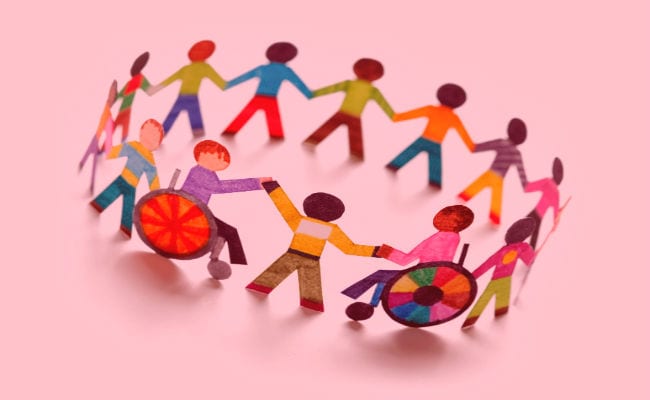

Human beings constantly interact with one another; however, the harmony of this interaction depends on the establishment of patterns that regulate our roles and those of others. In this way, society was formed, which is nothing more than the environment of interaction we have created as a product of perceptions, paradigms, and principles, and whose characteristics are linked to the prevailing model of human being in a given era.
The evolution of human characteristics and interactions is crucial in the development of social processes, or processes of change. Society is the variable through which we observe the changes brought about by social processes, and it is comprised of the following basic elements that are affected when a transformation occurs:
Statutes and regulations: these consist of a set of rules that limit and guide behavior in specific environments. They can be codified in formal documents (laws, regulations, internal codes) or be informal norms (customs, social practices, trends) that people, adapted to their environment, readily manage. When a social process is successful, it usually leaves its mark on this normative level, whether by changing laws, institutions, or rules of coexistence.
Social relations: society is built upon the relationships established between individuals and groups , and the modifications it has undergone in its structure have depended on evolution in this area (which, in itself, constitutes a social process). Changes in who relates to whom, under what conditions, and with what level of equality or hierarchy both reflect and drive profound transformations.
Individuals: Human beings and their individual characteristics (values, beliefs, interests, needs, abilities) determine their development in society. Here, the relevance of their presence as agents of change is highlighted: without individuals capable of questioning, cooperating, resisting, or proposing, no social process is possible.
Motivations: These are the driving force behind individual actions . They include expectations, aspirations, fears, frustrations, and desires for improvement. When these motivations are shared by large groups (for example, the desire for equality, peace, or better wages), they become a powerful engine of social transformation.
Beliefs: Previously, the religious or ideological beliefs professed by members of a social group strongly determined their role within it and the degree of acceptance they received. Today, this aspect is not always so decisive, but in many contexts it remains a limiting factor or a cause of exclusion. Social processes often also involve a struggle over the meaning of these beliefs and the legitimacy of certain values.
To better understand what a social process entails, it's helpful to start at the smallest scale: the individual. Let's consider a person in isolation, with their own personality, perceptions, experiences, and characteristics ; this human being has a concept of reality and establishes relationships with their environment. External events (economic crises, technological changes, cultural movements, political conflicts) exert a significant influence, which gradually translates into changes in their individual characteristics, altering their relationships with others.
Gradually, small changes accumulate across thousands or millions of people until a global shift in perception and attitude occurs. When this transformation reaches large segments of the population and manifests in new forms of organization, new habits, laws, or collective values, we call it a social process . In other words, it is the path by which a society ceases to be what it was and becomes something else, often gradually and silently.

Social processes are mass events that erupt when a community adopts a different stance regarding a concept, event, group, or experience. It is then that actions for change take place: protests, reforms, cultural movements, new institutions, or shifts in mindset. At the same time, social sectors may react to the threat of change with hostility, motivated by the fear of losing privileges or stability in the face of the new order.
From a sociological perspective, some general characteristics have been described that help to identify and understand these processes:
- Reciprocal interactions: Individuals and groups not only act upon others, but also respond to and adjust to the actions of others. The decisions of one group trigger reactions in others, generating chains of action and response that shape the course of the process.
- Dynamic and continuous nature: Social processes are not isolated events, but dynamics that constantly evolving in response to internal or external changes (technological innovations, migrations, economic crises, cultural transformations, wars, peace agreements, etc.).
- Medium or long duration: They tend to develop over relatively long periods of time, allowing them to generate profound historical transformations that modify the course of societies.
- Broad and multi-sectoral scope: involve various sectors (social classes, political institutions, economic groups, civil organizations, cultural movements, etc.) and are expressed in facts and actions that remain in force for a certain period.
- Cultural, economic and political influence: cultural norms, available economic resources, and power structures Existing factors play a crucial role in how these processes manifest, accelerate, or slow down, and how they affect societies.
- Positive and negative impact: can contribute to the stability and well-being (such as cooperation and solidarity) or generate tensions and inequalities (such as conflict or extreme competition). The same process can have beneficial effects for certain groups and detrimental effects for others.
- Need for massive cooperation: For a social process to consolidate, it requires the coordinated participation (explicit or implicit) of numerous individuals acting in accordance with certain shared ideas, interests, or demands.
- Difficulty of prediction: At first they usually difficult to understand and anticipate in its entirety; only with time do its causes, consequences and true scope become clear.
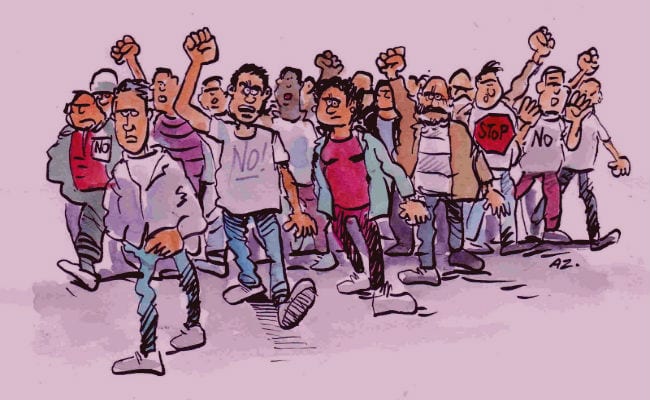
- The starting point is located when the Social interactions develop under repetitive patterns in various individuals. The development of social processes can be outlined as follows:
- Change in perceptions: A new concept or idea is established that can originate in a person or a group (for example, the idea that all human beings have the same rights).
- Repetition of social interactions: When that idea resonates with other individuals, behavior patterns change, messages are shared, behaviors are replicated, and habits are built around that new vision.
- Joint actions: The new perception regarding an event awakens in the human being the desire for a methodological changeTherefore, actions are taken aimed at achieving objectives: organizing movements, creating laws, awareness campaigns, boycotts, cooperatives, etc.
- Consolidated change process: when the new paradigm has reached a representative social mass and is expressed in lasting institutions, values, and behaviors, it is considered that a stable social change has taken place.
In addition to their general characteristics, every social process combines certain key elements that allow us to understand where they come from and how they develop:
- Social reality: encompasses the characteristics, relationships and global paradigms that encompass a sector or group. It includes the economic system, the political organization, the dominant culture, existing inequalities, and the set of norms and institutions that structure daily life.
- The individual: , the active participant in their environment Individuals are capable of effecting change through their attitudes, based on their personal characteristics, experiences, and relationship with their environment. The decision to participate in a demonstration, to support a cause, or to change a consumption habit are examples of micro-actions that, taken together, fuel social processes.
- Social relations: is daily and structured interactions These interactions take place between different individuals and groups: family, school, work, social networks, associations, political parties, etc. Through these channels, ideas circulate, demands are disseminated, and collective actions are coordinated.
- External factors: is about political, historical, economic or environmental events that can influence the actions of the individual in particular and the group in general. An economic crisis, a natural disaster, an armed conflict, the emergence of a new technology, or a pandemic are examples of external factors that can accelerate or trigger social processes.
- Reactions to external factors: Here we consider the way in which the Environment and context influence collective consciousnessPeople can adapt, resist, rebel, organize, or retreat, and each of these responses fuels different types of processes (cooperation, conflict, competition, assimilation, etc.).

Social processes can be classified in various ways. One of the most common classifications distinguishes between positive and negative processes , while another, with significant sociological influence, differentiates between conjunctive and disjunctive processes . Furthermore, it is common to speak of cooperation, competition, accommodation, assimilation, and conflict as major types of basic processes.
From the perspective of the expected results for coexistence:
- “Positive” social processes: These are those in which groups tend to collaborate, exchange and show solidarityThey promote integration, social cohesion, and the building of agreements (e.g., cooperation and accommodation).
- “Negative” social processes: are those in which the predominant competition, confrontation, or blockade Conflicts of interest between groups (such as open conflict, obstruction, or certain forms of extreme competition) can generate violence, exclusion, or a deepening of inequalities.
The classical classification of sociology includes:
- Conjunctive processes: These are the patterns of interaction relationships through which people interact They attract each other and become more integrated.They include cooperation, accommodation, and assimilation in certain contexts. They are expressions of social virtues such as justice and mutual recognition, and serve to to maintain society as a living organism.
- Disjunctive processes: These are the things that people use to get what they want. They distance themselves and become less supportiveThey include conflict, obstruction, and competition. They express social vices such as injustice, hatred, or contempt for others. They are called dissociative because the participants are in conflict with each other rather than in harmony.
Within this broad classification, some basic types of social processes appear that are observed in any society:
Cooperation processes
Cooperation processes occur when individuals or groups work together to achieve a common goal . In these dynamics, solidarity, respect, and shared responsibility predominate. They are considered positive processes because they tend to generate favorable changes for most of the people involved.
Cooperation can occur on a small scale (work teams, families, neighborhood groups) or in large social projects (public policies, international networks, citizen coalitions). A classic example is found in sustainable development initiatives that involve companies, organizations, governments, and individuals coordinating actions to protect the environment and ensure the responsible use of resources.
Competition processes
In competitive processes, the struggle for limited resources , prestige, power, or recognition is paramount. Individuals or groups compete for material goods (money, food, land, housing) or for symbolic goods (social status, fame, jobs, political influence).
While competition can foster innovation and progress in certain areas (such as the economy or technology), it can also lead to tension, inequality, and exclusion when it becomes extreme. It is considered a negative dynamic when only a few benefit and many are left behind. A common example is competition in the job market for promotions, better-paying jobs, or greater job security.
Accommodation processes
Accommodation occurs when two or more people or groups act in ways that minimize or prevent future conflicts . It arises after experiences of tension or confrontation and seeks to create mechanisms that allow for peaceful coexistence despite differences.
It can manifest itself in varying degrees: from tolerance and mutual concessions to more formal agreements involving mediation, negotiation, and conciliation. Examples include international treaties to guarantee peace , pacts between political parties to govern, and community regulations governing the use of shared resources (such as water or land).
Assimilation processes
Assimilation occurs when a social group integrates into a dominant group , adopting its customs, values, and way of life, which may involve the partial or total loss of its original cultural identity. It often occurs in contexts of colonization, mass migrations, or highly unequal power relations.
In many cases, assimilation has been linked to violent processes of cultural and religious imposition , where a dominant culture imposes itself on another that is subordinated. However, it can also occur more gradually and less coercively, when a group decides to adapt in order to access better economic or social opportunities.
Processes of conflict, obstruction, and other disjunctive dynamics
In addition to cooperation, competition, accommodation, and assimilation, sociology has described other processes such as conflict and obstruction . In conflict, two or more groups openly confront each other over opposing interests, either symbolically (discursive disputes, media campaigns) or violently (clashes, wars, street violence).
Obstruction, on the other hand, refers to actions that seek to block the progress of another group without necessarily proposing an alternative. This can occur in the political sphere (blocking reforms), the social sphere (boycotting others' initiatives), or the economic sphere (monopolistic practices, hindering competitors' trade). These processes, although considered negative, are also part of social dynamics and can provoke organized resistance and change.

Imagine an ordinary morning: as you leave your house for work, you bump into your neighbor carrying her groceries from the market, and you politely greet her and hold the door open for her. You get into your car and, on the way, honk at three drivers who are blocking your path and make a gesture of impatience. You arrive at work and meet with your colleagues to join forces on a common project . These are all examples of everyday social interactions , which lay the foundation for social development.
Studies and observations have determined that the primary causal agent of social processes is the evolution of interactions between diverse individuals. The way we relate to one another changes over time: how we communicate, what we consider acceptable, how we resolve conflicts, and what expectations we have regarding authority or equality. Some basic forms of interaction are:
Empathy: This involves an emotional connection with another person's reality . It entails understanding what the other person feels or experiences, which can motivate an individual to take action to benefit that person or group. Increased empathy towards marginalized groups, for example, has driven numerous processes of social change in support of their rights.
Mutualism: This is a mutually beneficial relationship in which all parties involved directly benefit from an agreement. It is a form of cooperation where the benefit is not external, but rather all parties receive a clear reward (for example, business alliances, agreements between communities, mutual support networks).
Antagonism: These are relationships of opposition and antipathy toward the concept or reality of others. We establish conflict relationships with those we perceive as a threat or contrary to our values and interests. Relationships of this kind are usually the ones that have the capacity to decisively disrupt the established order , driving conflict processes that can lead to both necessary changes and profound crises.
Cooperativity : This refers to a collaborative relationship in which several individuals join together to achieve a common goal. The concept of synergy is closely linked here, where the sum of efforts exponentially drives a greater good. Community projects, solidarity campaigns, and grassroots organizations are examples of cooperativity in action.
Competition: This is the motivation to outperform others in various aspects. It involves measuring efforts against others, rather than oneself. When it reaches a chronic level, the individual or group may develop an extreme desire for self-improvement, even viewing others as permanent rivals. In certain doses, it can stimulate progress, but in excess, it can erode social cohesion.
If we had to summarize the effect of social processes in one sentence, we could speak of the evolution of concepts and structures . Thanks to these processes, society has been able to modify its form of organization and its values to adapt to the needs of human beings in each era, in many cases becoming more tolerant and open regarding certain issues.
The goal of these events, though not always explicitly stated, is the development of a more evolved society , one characterized by harmonious relationships among individuals. A more just society, where everyone, with their individuality, has a space for acceptance, recognition, and participation.
Some current and frequent examples of social processes are:
- Ecological protection: When citizens become aware of the importance of caring for the environment and get involved in concrete actions (recycling, responsible consumption, putting pressure on governments and companies), a social process is generated that modifies consumption habits, public policies and development models.
- Industrialization and globalization: The growth of industries and the integration of world economies have profoundly transformed lifestyles, the organization of work, migration flows, and relations between countries.
- Migration: The movement of communities to new territories is an example of a process of assimilation, accommodation, and conflict at the same time, since migrant communities must adapt to a new culture while the receiving spaces reorganize themselves to integrate them or, sometimes, to exclude them.
- Social movements for civil and gender rights: Associations that fight for racial, gender, sexual orientation, or social class equality illustrate processes of conflict and cooperation that generate significant changes in legal, political, and cultural structures.
- Culture of peace and diversity: Initiatives that promote the peaceful resolution of conflicts, respect for cultural and gender diversity, and the prevention of violence are clear examples of joint processes aimed at strengthening social cohesion.
Thanks to social evolution, we work daily towards a context more aligned with our ideal standards . Although we know that complete ideal states are unattainable and serve only as points of comparison, human beings tend to always strive to improve the system around them. Social processes are the path, sometimes conflictive and complex, through which these aspirations become historical reality.
Table of Contents