

Biology is a word of Greek origin meaning "science of life." It is defined as the science that studies living beings in all their aspects: their origin, properties, evolution, development, reproduction, interactions with the environment, diversity , and organization, from molecules to ecosystems.
This discipline relies on tools and concepts from other sciences such as chemistry , physics , and mathematics , which allows for a more precise understanding of vital processes: metabolism, growth, response to stimuli, adaptation, genetic inheritance, and population dynamics, among many others.

Discover what are the branches of biology
Biology is divided into numerous branches, disciplines, or fields of study that allow specialization in different levels of organization and types of organisms. These branches are usually classified into two main groups: primary and secondary . Primary branches include cell biology, marine biology, molecular biology, botany, ecology, physiology, genetics, microbiology, and zoology ; while secondary branches are those that have an equally relevant relationship with biology but with a more specific or interdisciplinary focus.
Biology offers a wide range of career opportunities precisely because of this diversity of disciplines. Understanding what each branch studies helps in choosing a professional specialization aligned with personal interests: from basic and applied research to environmental conservation, natural resource management, health, or biotechnology.

Major disciplines of biology
The disciplines presented below constitute the core branches of biology . Each focuses on a specific aspect of life, but all are interconnected and mutually reinforcing. In addition to their definitions, their fields of study , scientific importance , and some associated career paths are highlighted.
Cell biology
Also known as cytology , cell biology is the branch of biology that studies cells , the basic structural and functional unit of all living things. It analyzes their internal structures , their functions , their physicochemical properties , and how they interact with the environment and with other cells.
The development of this discipline was made possible by the invention of the microscope , which allowed for the first observation of cells and their components. Today, cell biology combines advanced microscopy techniques, molecular biology, and biochemistry to study processes such as cell division , signaling , and programmed cell death.
The study of cell biology involves observing cells at the molecular level, which is why it is closely related to molecular biology and biochemistry. Key components analyzed include the cell wall, lysosomes, chloroplasts, ribosomes, cell nucleus, cytoskeleton, plasma membrane, and other specialized organelles.
In the professional field, cell biology is fundamental in biomedical research , drug development , clinical diagnosis , oncology or biotechnology , since many diseases originate from alterations in cellular processes.
Marine biology
Marine biology is a branch of biology that studies living organisms in marine ecosystems , from microorganisms to large mammals. It considers all elements of marine life and is also responsible for its protection and conservation.
This discipline analyzes ocean biodiversity , adaptation mechanisms to extreme environments, marine food webs , and biological phenomena occurring in seas and oceans. It also draws on other sciences such as oceanography, marine geology, and chemistry to better understand the physical and chemical processes that affect marine organisms.
Marine biology is key to assessing the human impact on the oceans (overfishing, pollution, climate change) and to designing conservation strategies . Professionally, it opens doors in areas such as marine ecosystem research , aquaculture , fisheries management , reef conservation , and advising on coastal environmental policies.
Molecular biology
Molecular biology is one of the fields of study within biology that focuses on life processes at the level of biological molecules . It attempts to explain biological phenomena based on the properties of macromolecules such as nucleic acids (DNA and RNA) and proteins.
It studies processes such as DNA replication , transcription , translation , and the regulation of gene expression , as well as interactions between proteins and between proteins and DNA. Thanks to this discipline, essential techniques such as PCR , genome sequencing , and gene editing have been developed.
Molecular biology is the foundation of fields such as genetic engineering , modern biotechnology , genomics , proteomics , and numerous medical, agricultural, and industrial applications. Professionals trained in this field work in research laboratories , pharmaceutical companies , diagnostic centers , and technological innovation projects.
Botany
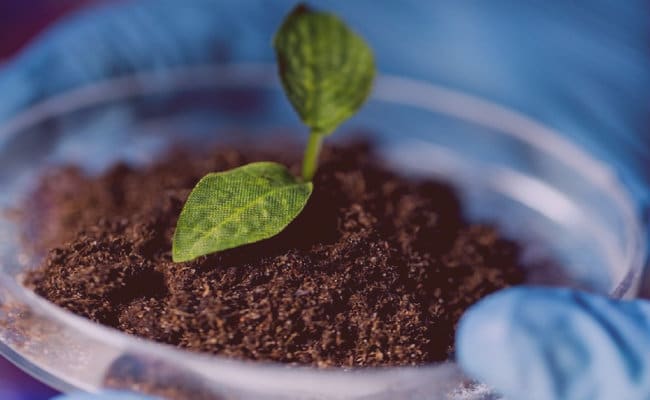
Botany is the science that studies plants and related organisms . It analyzes their structure , reproductive processes , physiology , relationships with other living beings , and classification . The species observed and studied include plants, fungi, algae, and cyanobacteria.
Botany is generally divided into pure botany (focused on understanding the nature and evolution of plant species) and applied botany (oriented towards technological, agricultural, forestry, pharmaceutical, or food-related uses). It also addresses topics such as plant biodiversity , adaptation to different climates , and the role of plants in biogeochemical cycles.
Career opportunities in botany include research in plant physiology and genetics , crop improvement , agro-industry , reforestation , management of natural spaces , and the development of plant-based pharmaceutical products .
Ecology
Ecology is one of the disciplines within biology , a science that studies the relationship of living organisms with their environment and with other organisms. Its main objects of study are the abundance and distribution of species , as well as ecological interactions , such as amensalism , which determine the functioning of ecosystems.
More specifically, ecology analyzes ecosystems and the relationships between the species that inhabit them: competition, predation, mutualism, symbiosis, among others. It also studies the flow of energy and the cycling of nutrients through food webs, from primary producers to consumers and decomposers.
Furthermore, ecology is essential for addressing problems such as biodiversity loss , habitat fragmentation , pollution , and climate change . Professionals in this field work in species conservation , environmental management , environmental impact assessment , environmental education , and policy design for the sustainable use of natural resources.
Physiology
Physiology is a branch of biology that studies the functions of living organisms and the processes that make life possible. It analyzes how different systems and organs work together to maintain homeostasis and respond to changes in the environment.
A distinction can be made between animal physiology (including human physiology) and plant physiology . In turn, there are other subdivisions such as cell physiology , organ and tissue physiology , comparative physiology , and veterinary physiology . In all cases, processes such as respiration , circulation , excretion , hormonal function , and the regulation of water and mineral salts are studied.
Physiology is key to medicine , veterinary medicine , agronomy , and biomedicine . It allows us to understand what happens when these processes are altered, leading to disease , which has driven the development of related disciplines such as pathophysiology.
Genetics
Genetics focuses on the study of biological inheritance , that is, how traits are passed from one generation to the next. It analyzes the structure and function of genes , their organization on chromosomes , and how they interact to produce the phenotype.
It is one of the most modern branches of biology and is closely related to cell biology , molecular biology , and biochemistry . Its main objects of study are DNA and RNA (messenger, transfer, and ribosomal), as well as the mechanisms of mutation , recombination , and gene regulation.
Genetics is fundamental to understanding hereditary diseases , improving agricultural crops , designing gene therapies , identifying individuals through genetic fingerprinting , and explaining the processes of biological evolution . Professionals specializing in genetics can work in clinical laboratories , research centers , the biotechnology industry , personalized medicine , and genetic counseling.
Microbiology
Microbiology is the science that studies and analyzes microorganisms , that is, microscopic living organisms that cannot be seen with the naked eye. The main groups studied by this discipline are viruses, fungi, and bacteria , as well as other microorganisms such as protozoa and certain microscopic algae.
These organisms play essential roles in nutrient cycling , food fermentation , antibiotic production , and biodegradation . At the same time, some microorganisms are pathogenic and cause diseases in humans, animals, and plants, making microbiology a cornerstone of fields such as medicine , epidemiology , veterinary medicine , and plant pathology.
Career opportunities include jobs in clinical analysis laboratories , food industries , biotechnology companies , health research centers , and organizations dedicated to food safety or the control of infectious outbreaks.
Zoology
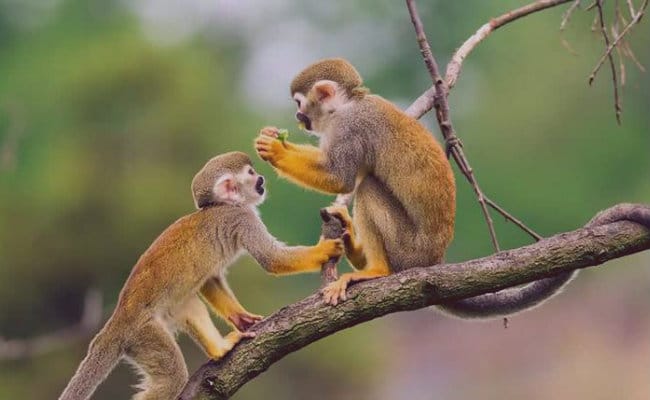
Zoology is the branch of biology that focuses on the study of animals , encompassing their anatomy, physiology, behavior, ecology, evolution, and classification. It deals with both extant species and extinct groups, drawing on paleontology for its research.
Within zoology, there are subdisciplines specializing in specific groups: ornithology (birds), herpetology (reptiles and amphibians), ichthyology (fish), theriology (mammals), entomology (insects), arachnology (arachnids), among others. It is also linked to ethology , which studies animal behavior, especially in social species.
Zoologists work in wildlife research , conservation of endangered species , management of natural parks , zoos , aquariums , natural history museums , as well as in educational and science outreach programs.
Secondary branches of biology
In addition to the major disciplines described, there are other branches of biology that are closely related to the life sciences but focus on more specific objectives or intensively integrate knowledge from other fields. Many of these are also considered auxiliary sciences of biology because they contribute complementary methods and approaches.
These secondary or specialized branches include the following:
- Anatomy: study the structure and organization of organisms and their parts, both at the macroscopic and microscopic levels.
- Arachnology: It focuses on the study of the arachnids, such as spiders and scorpions.
- Aerobiology: analyzes the biological particles in the air, such as pollen, spores or microorganisms, with interest in allergies, health and ecosystems.
- Biophysics: applies the principles of Physics to the study of biological systems, investigating mechanical, electrical or thermal properties of cells and tissues.
- Biogeography: study the geographical distribution of living things and how historical and environmental factors have shaped it.
- Astrobiology: investigate the possible forms of life in the universe and the necessary conditions for it to appear, combining biology, astronomy and geology.
- Bacteriology: branch specialized in the study of bacteria, its physiology, ecology and pathogenic or beneficial capacity.
- Bioinformatics: uses tools of computers and statistics to analyze large volumes of biological data, such as DNA sequences or proteins.
- Chorology: discipline that describes and analyzes the spatial distribution of species and their biogeographical patterns.
- Epidemiology: study the distribution and determinants of diseases in populations, being fundamental for public health.
- Entomology: He is dedicated to the study of insects, its biology, ecology and relationships with humans.
- Evolutionary biology: delves deeper into the mechanisms of species change over time, such as natural selection, genetic drift, or speciation.
- Biochemistry: addresses the chemical processes in living beings, such as metabolic pathways, biomolecular structure, and enzymatic reactions.
- Environmental Biology: It focuses on how the human activities They affect living systems and how to minimize their impact.
- Phylogeny: study the evolutionary relationships between organisms and reconstructs family trees from morphological and molecular data.
- Ethology: analyze the animal behavior, especially in natural contexts and from an evolutionary perspective.
- Phytopathology: focuses on the plant diseases and in the agents that cause them.
- Phycology: dedicated to the study of seaweedboth microscopic and macroscopic.
- Herpetology: specialty that studies reptiles and amphibians, its biology and conservation.
- Immunology: investigates the immune system and the defense mechanisms against foreign agents or pathogens.
- Histology: analyze the microscopic structure of tissues animals and plants.
- Inctiology (Ichthyology): branch that deals with the study of fish, its anatomy, physiology and diversity.
- Limnology: study the freshwater ecosystems, such as lakes, rivers and lagoons.
- Mycology: It focuses on the study of the mushrooms, its ecology, utility and pathogenic effects.
- Ornithology: specialized discipline in the study of birds.
- Paleontology: analyzes the fossils to reconstruct the history of life on Earth.
- Oncology: study the tumors and cancer, its biological causes and possible treatments.
- Ontogeny (Developmental Biology): focuses on the development of organisms from fertilization to adulthood.
- Pathology: analyzes the enfermedades and the structural and functional changes they produce in tissues and organs.
- Parasitology: study the parasites and the relationships they establish with their hosts.
- Sociobiology: investigates how the evolution and heredity influence the social behavior of animals and humans.
- Theriology: branch of zoology dedicated to the study of mammals.
- Virology: specialty focused on the virus, its structure, replication and role in health and disease.
- Toxicology: study the effects of toxic substances about the organisms and the mechanisms to prevent or treat their action.
- Taxonomy: discipline that deals with classification and nomenclature of living thingsorganizing them into hierarchical categories.
All these disciplines, both primary and secondary, demonstrate that biology is an extraordinarily diverse and constantly expanding science. As new technologies and scientific questions arise, new specializations and interdisciplinary approaches also appear, further broadening the map of the biological sciences.
Understanding the disciplines of biology not only helps in choosing a career or professional specialization, but also allows one to better appreciate how each branch contributes to solving medical, environmental, agricultural, and technological problems, and how all together they help to understand life as a whole.
Table of Contents