

According to current projections, the world population will reach 8000 billion by 2036 , while in Spain the figure is estimated at 53 million . This demographic growth and the overall aging of the population pose significant social, economic, and public health challenges, especially in developed countries like Spain. In this article, we will explore the main characteristics, causes, and consequences of the progressive aging of the Spanish population, as well as future prospects based on recent data and expert opinions in demography.
A dramatic increase in the elderly population: a context analysis
Population aging has become a global demographic trend, but with a particularly strong impact in European countries. In Spain, the percentage of people over 65 already represents 20,1% of the total population and is expected to reach 30,4% by 2050. According to demographer Julio Pérez Díaz, from the Center for Social Sciences and Humanities of the Spanish National Research Council (CSIC), the proportion of elderly people could reach "the high twenties," which represents a significant increase compared to the current 18%.
The main cause of this demographic shift lies in medical advances and increased life expectancy . Children born in developed countries today are projected to live to 100. In fact, by 2036, many Spaniards will be over 80, and a significant number will reach 105.
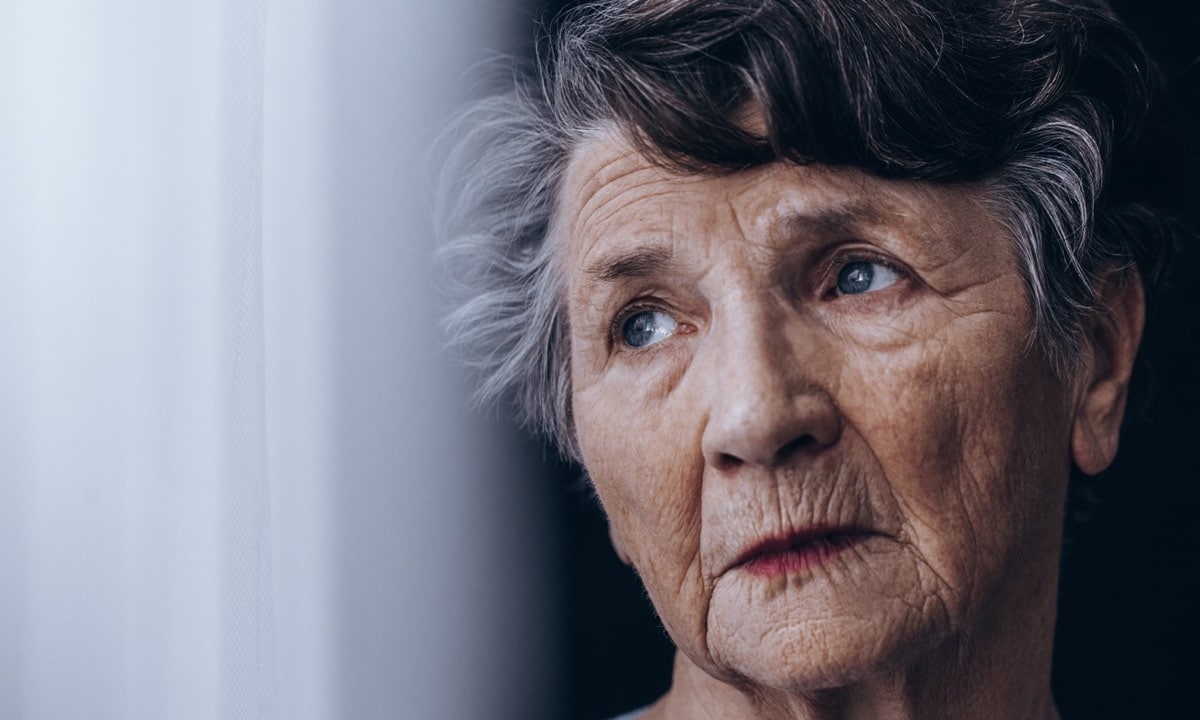
A society marked by the challenges of ageing
The increase in the population over 60 years of age brings with it a greater prevalence of chronic and neurodegenerative diseases. Alberto Rábano, a neuropathologist at the CIEN Foundation, mentions that, although the prevalence of these pathologies will not necessarily increase, their impact will be greater because a larger number of people will reach advanced ages . According to Rábano:
«Biologically we are prepared to reach 120 years of age. However, the key question is how to do so while maintaining quality of life.»
The main challenges arising from aging include:
- Increase in neurodegenerative diseases: such as Alzheimer's and Parkinson's. These pathologies will be more frequent because the risk increases with age.
- Tensions in the pension system: Since the Spanish system is based on a pay-as-you-go model, ageing and declining birth rates could lead to an unsustainable deficit.
- Care crisis: With fewer family ties available due to smaller household sizes and loneliness, increased investment in social and community services will be required.
- Economic impact: The increase in life expectancy will increase spending on pensions, dependency and healthcare.

Factors contributing to aging
There are several social and demographic factors that explain the aging of the population in Spain:
- Low birth rates: In recent years, the number of births has decreased considerably. Although a slight increase in births is expected by 2058, they will always be below the number of deaths.
- Longer life expectancy: The current life expectancy for men is 86 years in the Making and 90 years in the Making For women, figures that will continue to grow.
- Positive migration balances: Although immigration will help mitigate some of the natural decline, it will not be enough to reverse overall aging.
- Impact of the baby boom: The baby boom generation is reaching retirement age, which will add pressure to the pension system and public policies.
Projections for 2036 and beyond
The National Institute of Statistics (INE) warns that current trends will inevitably lead to a very high dependency ratio . According to projections, by 2036 in Spain:
- El 26% of the population will be over 65 years old.
- Un 8% will be over 80 years old.
- Single-person households will increase considerably, reaching nearly 100% 28,9 %.

These figures demonstrate a radical transformation in the structure of the Spanish population , which will have implications in multiple aspects of daily life, from the labor market to urban, social and health policies.
How to deal with population ageing?
To get ahead of the challenges posed by an increasingly aging society, it is essential to begin implementing policies and strategies now . Some key approaches include:
- Innovations in medicine and technology: Advancing treatments for age-related diseases will ensure healthy aging.
- Promoting birth rates: Providing economic incentives and social programs that support young families could lead to a rebound in birth rates.
- Adaptation of the pension system: Reform the current system to ensure its long-term sustainability.
- Creating inclusive communities: Designing age-friendly cities by promoting social participation and reducing loneliness.
With a proactive approach and proper planning, Spain can turn the challenges of population aging into opportunities to build a more inclusive, resilient, and healthy society.
Population ageing is not only a challenge: it is also an opportunity to reflect on the social values, public health priorities and economic strategies that will define the future of our country towards 2036 and beyond.
Table of Contents